Electricity supply vs delivery charges: why both appear on your bill
Understand generation, distribution, fixed customer charges, and the fair way to compare supplier rates with your existing electricity bill.
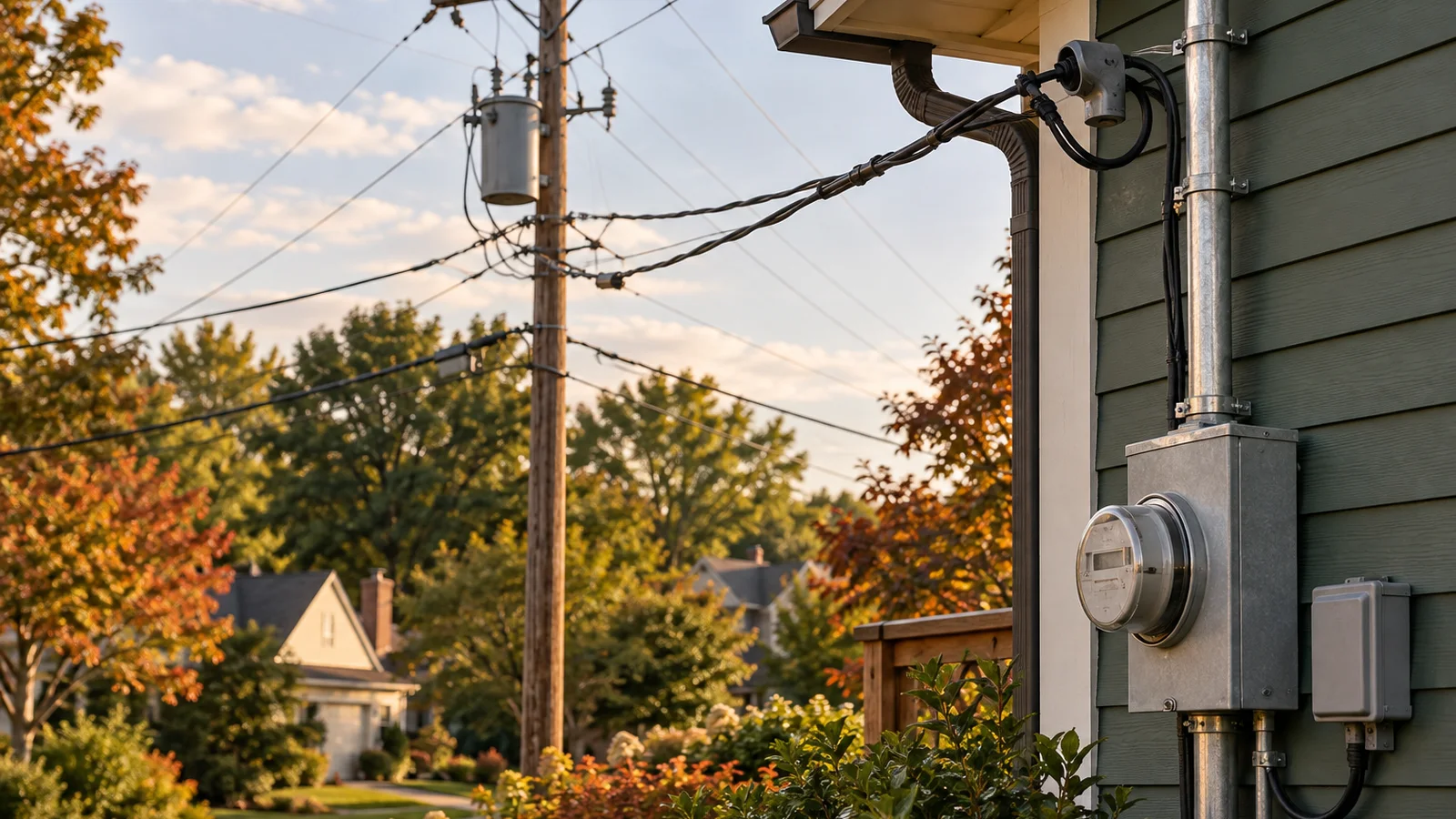
Electricity supply pays for the energy component, while delivery-related charges pay for getting electricity through the network to your account under the local tariff. The labels and line items vary by utility. Switching a competitive supplier usually does not remove the distribution utility or all delivery charges. To compare offers fairly, identify each component instead of treating your bill's total average price as the supply rate.
Trace the bill from units to amount due
Find the billing dates, meter readings or billed kWh, and rate schedule first. Then identify the supply section, delivery section, monthly service charges, adjustments, taxes, and account balance items. Some bills group several pieces together. Do not infer a charge's purpose solely from an abbreviated label; the utility's bill explanation or tariff should define it.
An amount due may contain an overdue balance, late charge, deposit installment, or payment adjustment. Those amounts matter to your cash budget but should not be treated as the new energy cost for the month when comparing plans. Create a separate subtotal for current service charges. If the statement combines electricity and gas, keep the fuels separate and avoid dividing the combined total by electricity kWh.
Distinguish fixed and usage-based delivery
Delivery can include both a monthly charge and amounts that rise with usage. A fixed service charge is paid even when consumption is low, subject to the actual tariff. A variable delivery charge is multiplied by billed units. Other riders can have different calculation rules. This means reducing consumption can lower some parts of the bill without proportionally reducing every line.
| Illustrative component | Calculation | Monthly amount |
|---|---|---|
| Supply | 800 kWh × $0.10 | $80 |
| Variable delivery | 800 kWh × $0.05 | $40 |
| Fixed delivery | One monthly charge | $12 |
| Supplier fee | One monthly charge | $5 |
| Total before tax | Sum of these components | $137 |
These numbers are invented for explanation. At this usage the total average is $137 ÷ 800 = $0.17125 per kWh, or 17.125 cents. The supply rate remains 10 cents. Comparing a competitor's 11-cent supply-only price with 17.125 cents would exaggerate the apparent saving because it omits the delivery and fixed charges from one side.
Identify what a supplier change can affect
Write two columns: charges that could change with the proposed supply contract and charges you expect to remain under the utility tariff. Put supply price and supplier monthly fees in the first group. Put shared delivery charges in the second unless the local offer explicitly changes how they are billed. Ask the utility if you cannot establish which charges remain.
For an illustrative 800-kWh month, reducing supply from 10 to 9 cents saves $8 before any difference in supplier fees or taxes. It does not save the entire $40 delivery amount in the table. The shared charges can be included in both plan totals even though they cancel out when calculating the difference. Including them helps prevent an unrealistically low estimate of the money you will actually need to pay.
Handle changing delivery tariffs carefully
A fixed supply contract should not be interpreted as freezing charges outside its scope. To investigate a delivery increase, compare the rate schedule and effective period on successive statements. A larger dollar charge might reflect more usage, a longer billing period, a changed unit rate, or a new adjustment. Check the quantity and price separately before concluding that one line proves an error.
State regulators oversee many utility tariffs, but regulatory responsibilities can differ for municipal systems and cooperatives. Use the official contact information supplied by your utility or state commission to identify the right body. This guide does not promise a particular rate-change notice period or complaint outcome. Keep the older bill because it documents the baseline better than memory or an advertising screenshot.
Use this distinction in practical decisions
If your goal is a lower energy bill, compare two separate actions: changing the supply price and changing consumption. Switching may affect one component; efficiency measures can reduce kWh and therefore multiple usage-based charges. Neither necessarily eliminates fixed charges. Do not add the same delivery saving twice when combining the two actions in a forecast.
For example, an illustrative reduction of 100 kWh at a 10-cent supply rate and 5-cent variable delivery rate saves $15 before tax, not just $10. If a supplier discount then changes the supply rate, calculate the discount on the lower remaining usage. This order makes the forecast internally consistent. It is especially useful when comparing a plan change with an appliance replacement, because both may operate on the same underlying kWh.
Ask about an unexplained combined line
If supply and delivery appear inside one combined figure, request a breakdown or the applicable tariff explanation. Do not invent a split using national averages. You can still record the total accurately while marking the individual components unresolved. Resolve the missing scope before comparing that figure with a supply-only competitive offer.
FAQ
Why does delivery remain if I choose a different supplier?
The local network still delivers electricity. Supplier choice generally changes the supply arrangement rather than replacing the wires serving the home.
Is a delivery charge evidence of double billing?
Not by itself. Supply and delivery are different components. Check the tariff and whether the same charge was actually applied twice.
Can I use total dollars divided by kWh?
Yes, as a retrospective average after separating unrelated balances. It is not necessarily the marginal cost of another kWh or the supply rate to compare with an offer.
Related reading
Sources
- EIA: electricity price factors — generation and network cost background.
- PAPowerSwitch — utility and supplier roles, bill explanations.