How to compare natural gas supply plans in the US
Compare gas supply offers using matching units, billed conversion factors, delivery charges, seasonal usage, and renewal terms.
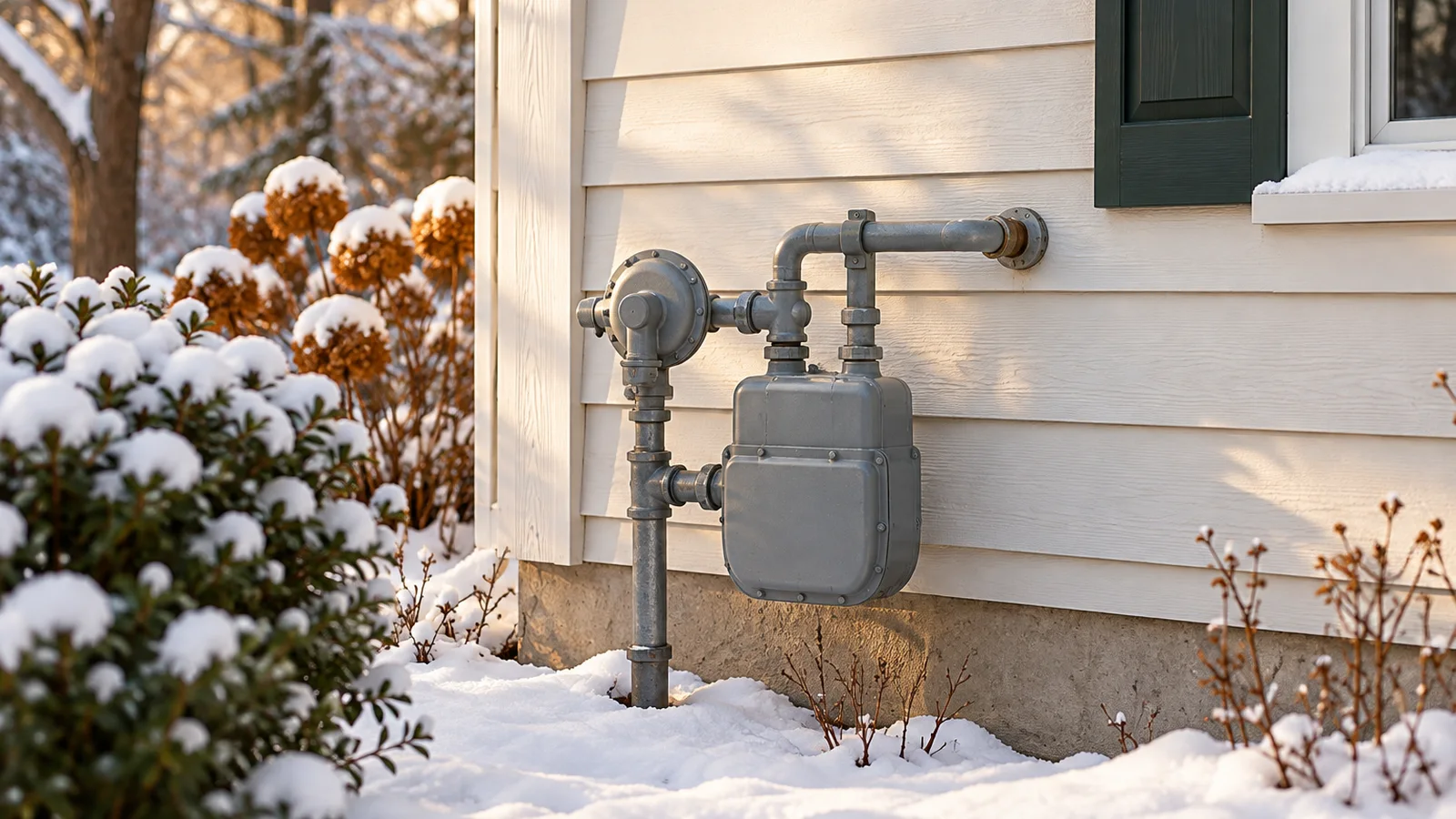
Compare natural gas plans only after confirming supplier choice for your account and converting prices to the same unit. Gas can be billed in heat units such as therms or in volume units such as Ccf, and delivery charges may remain with the utility after a supply change. A low supply price alone does not establish the lowest total bill. Use your winter and summer history because heating demand can make annual comparisons very different from a single mild month.
Confirm what can be changed
Start with the gas utility named on your statement. Ask whether residential supply choice is available for your address and whether the proposed supplier is authorized to serve it. Electricity choice and gas choice are separate questions; availability of one does not establish the other. Your state regulator and utility are the starting points for current eligibility and tariff information.
Identify which organization supplies gas, which delivers it, and how billing will work after a change. Combined billing can make these roles look like one service even when the charges have different origins. Ask who to contact for a billing issue and who to contact for an emergency. A shopping decision should never delay responding to a suspected gas leak; use the utility emergency guidance or emergency services as appropriate.
Put prices on an equal unit basis
A therm is 100,000 Btu of heat. A Ccf is one hundred cubic feet of volume. The amount of heat in that volume is not an exact universal constant. Use the billed conversion factor and the utility's explanation of adjustments when converting your own statement. Do not assume that a figure taken from a national average is the factor on your account.
Illustrative example: if a bill uses 1.03 therms per Ccf, a price of $1.236 per Ccf corresponds to $1.236 ÷ 1.03 = $1.20 per therm. That is a unit conversion, not a current offer. Check whether the advertised rate already includes a conversion or an adjustment. Applying the factor twice can create an apparently cheaper rate that is simply a calculation error.
Separate supply, delivery, and fixed charges
Make a worksheet with the fuel supply rate, per-unit delivery charges, fixed customer charges, riders, taxes, and any supplier fee. Note which pieces differ between the offers. A price that includes only gas supply must not be compared with your total bill divided by therms, because the latter includes other charges and may include account adjustments.
| Component | Comparison question | Common source |
|---|---|---|
| Supply | Same heat or volume unit? | Supplier disclosure |
| Variable delivery | Included or additional? | Utility tariff |
| Fixed charge | Per month or another period? | Bill and tariff |
| Adjustments | Can they change separately? | Current schedule |
| Renewal | What follows the initial term? | Contract |
At low consumption, fixed charges can make the total average per therm look high. This does not mean the marginal cost of one more therm is equally high. Keep fixed and variable components separate when comparing efficiency measures or a possible equipment change.
Model the heating season explicitly
Take twelve months of billed therms or properly converted volume. Apply each offer's rate and fees month by month. If an offer has seasonal prices, use the correct schedule for each period rather than applying a summer price to winter consumption. Variable supply pricing needs alternative price scenarios, not a single guaranteed annual estimate.
Illustrative comparison: a 10-cent-per-therm supply difference saves $2 at 20 therms and $15 at 150 therms before fee differences. A $5 monthly supplier fee would outweigh the saving in the first example but not the second. Annual use matters, and the distribution across months matters when rates or credits vary. If you plan to replace a furnace or change occupancy, show a separate usage scenario instead of silently assuming last year's pattern remains unchanged.
Review risk and the end of the term
A fixed supply price can improve certainty for that component but does not freeze consumption or every delivery charge. Read cancellation fees, renewal terms, promotional periods, and move-out provisions. Check whether a contract covers one heating season, a different duration, or an automatic renewal process. A low opening rate that expires before your peak winter use may not be the relevant price for your budget.
Keep the written disclosure and compare the first bill after a switch with it. Verify the start date, supplier name, billed unit, rate, and fees. If something differs, ask for an explanation before concluding it is fraud or accepting it as normal. This website does not enroll customers or confirm supplier authorization; current authorization and local rights must be checked with the relevant official body.
Keep payment timing outside the rate comparison
A budget payment can differ from actual gas charges in a particular month. Use billed usage and contractual charges for the plan comparison, then separately consider the payment schedule and any accumulated balance. This prevents a low scheduled summer payment from being mistaken for a low winter supply rate. Ask how reconciliation works before relying on the payment amount for a household budget.
FAQ
Is one Ccf exactly one therm?
No. One is a volume unit and the other a heat unit. Use the appropriate billed conversion factor.
Can I choose a gas supplier if I can choose electricity?
Not necessarily. Gas and electricity programs can have different availability and eligibility rules.
Does a supplier switch remove the utility delivery bill?
Do not assume so. Determine how supply and delivery will be billed under the local arrangement and compare all applicable charges.
Related reading
- Electricity plan comparison principles
- Supply and delivery
- Fixed and variable structures
- Gas unit conversion
Sources
- EIA: natural gas prices — gas price background and customer choice resources.
- EIA: gas price conversion — heat content and comparable units.